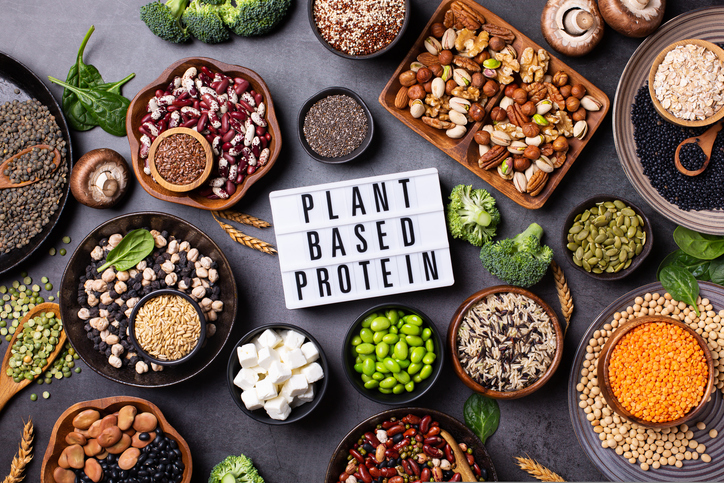

I went from a vegetarian/pescatarian (mostly plants with the occasional fish and dairy) diet to a fully vegan lifestyle, and I would love to share my journey, what I’ve learned, and important tips to help you become a healthy, thriving vegan personal trainer!
Before going vegan, I was mostly vegetarian/pescatarian for about 8 years. In 2008, I watched a documentary called What the Health and was blown away—especially by the sections exposing factory farming. It was eye-opening to learn how animals are bred, raised, and slaughtered in cramped, dirty, and inhumane conditions. On top of the ethical impact, I saw how destructive the meat and dairy industries are for our planet.
Once I learned what was happening out of sight, something clicked. I knew I could no longer support those industries, and I pledged never to go back.

A decade later, I am still fully vegan and still an active personal trainer, business owner, dog mom, tennis player, weight lifter, yogi, and more. Going vegan has never held me back. Actually, I think I’ve only improved my health and well-being.
Over the last 10 years, I learned plenty along the way. I want to share the top tips to help you avoid common pitfalls and start thriving right away.
7 Essential Tips to Thrive on a Fully Plant-Based Diet and Vegan Lifestyle
1. Supplement to Cover Your Bases
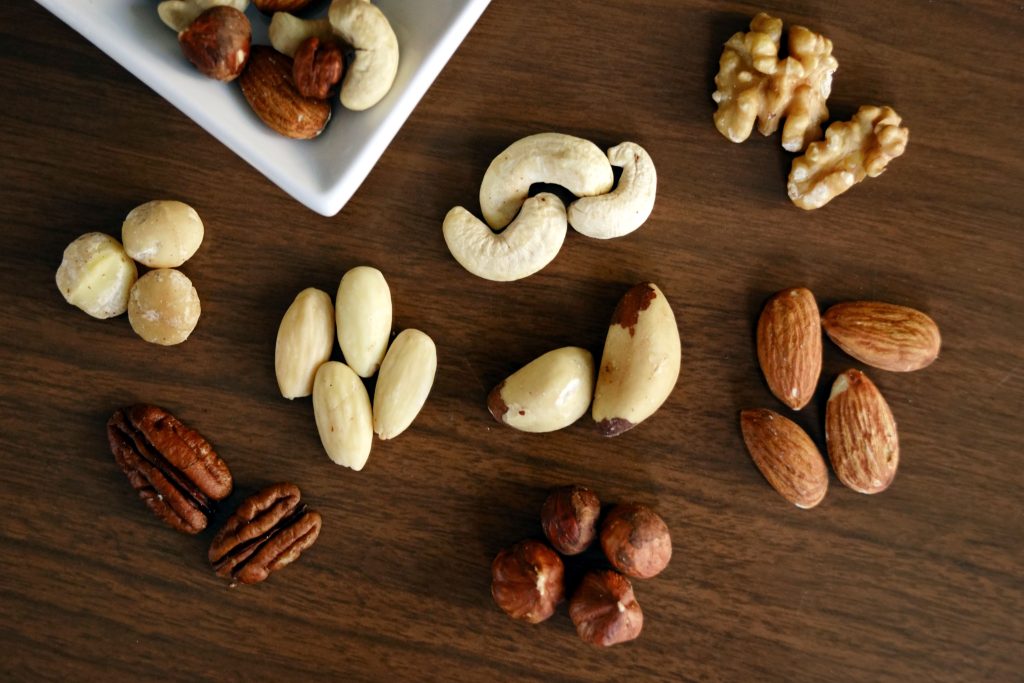
Let’s be real: you probably aren’t going to eat a single Brazil nut every day for selenium, a portion of seaweed for vitamin K2, or the exact daily target of hemp seeds for omega-3s.
Note: Even meat-eaters frequently lack key micronutrients. Supplementation is beneficial for almost everyone, regardless of diet.
Having a daily “secret weapon” ensures you hit the key vitamins and minerals that can be harder to source consistently on a plant-based diet. I personally use Complement, a multivitamin specifically formulated to cover the micronutrients vegans tend to miss. If you order it from the Complement website give my code a try for a discount. JustFitVegan.
2. Understand Plant-Based Protein
It is important to understand your macronutrients, especially a topic as widely debated as protein.
It is completely fine to rely on plant-based meat alternatives—especially in the beginning—or to enjoy them whenever you crave something familiar. You don’t have to dislike the taste of meat to choose a vegan lifestyle. Today’s market offers incredible, healthy alternatives, making it a fantastic time to transition.
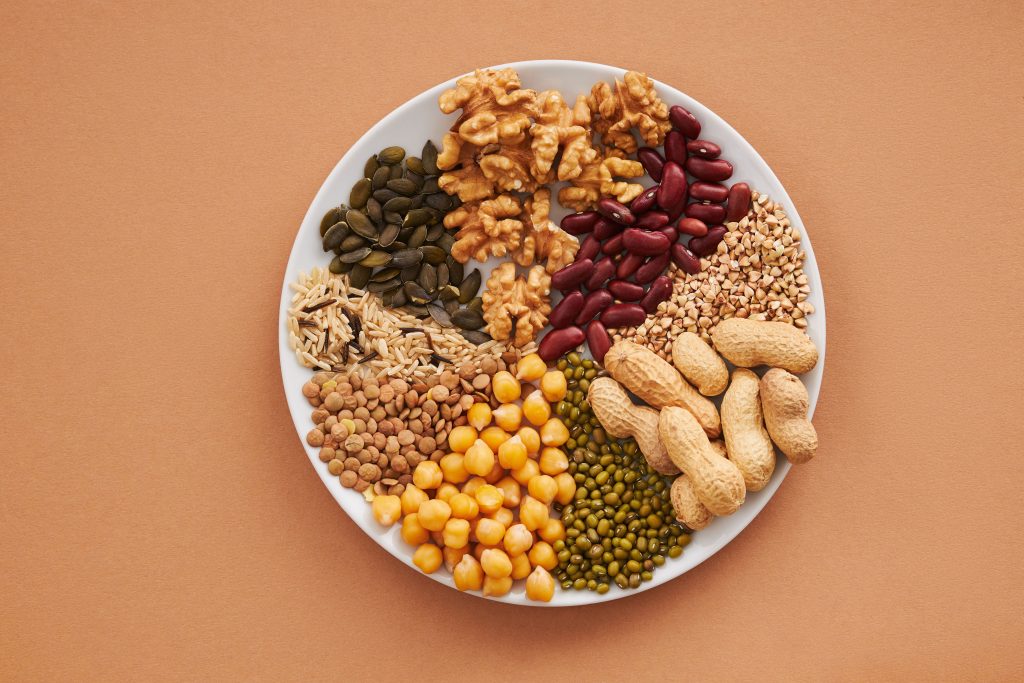
Take a little time to also learn about all the foods that contain protein that add to your total daily value. If you are eating a wide range of healthy whole foods you’ll likely be getting plenty of protein!
(For a deeper dive into optimal intake, check out my comprehensive guide on plant-based protein for strength and muscle building).
3. Find Your Vegan Community
Connecting with others—whether online or in person—makes a world of difference.
I was fortunate that my husband chose to go on this journey with me, but even then, we occasionally needed reminders that we aren’t alone. Connecting with motivating vegans online, grabbing plant-based meals with local friends, and building a network where you can discuss challenges and wins keeps you grounded and supported.
4. Volunteer or Donate to Animal Welfare
Directing time or financial support toward animal welfare reinforces your primary motivations and drives systemic change.
When I lived in Los Angeles, I had the incredible opportunity to volunteer at Farm Sanctuary. Being around rescued horses, cows, chickens, sheep, donkeys, and even a llama—outside of a factory farm environment—was a powerful reminder of how unique every animal is.
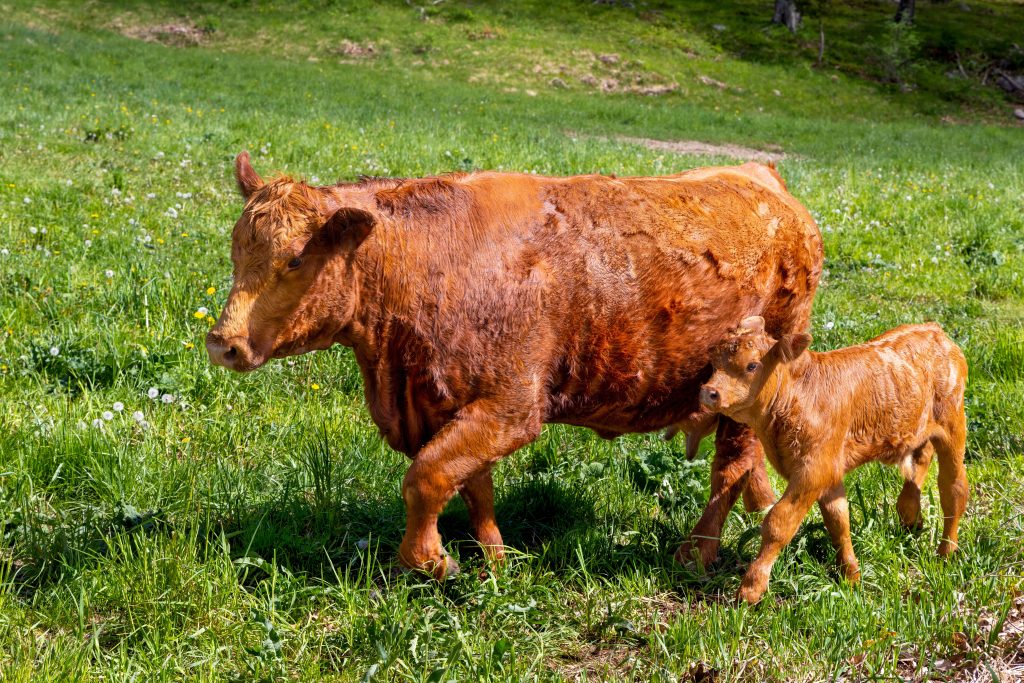
If you don’t have time to volunteer locally, find a few charities aligned with your values and donate what you can. Reading their updates and staying involved helps keep your vision clear.
If unsure where to donate or volunteer, start local at animal rescues and shelters or you can check out a few I trust like Mercy For Animals, Farm Animal Sanctuary, Humane World For Animals
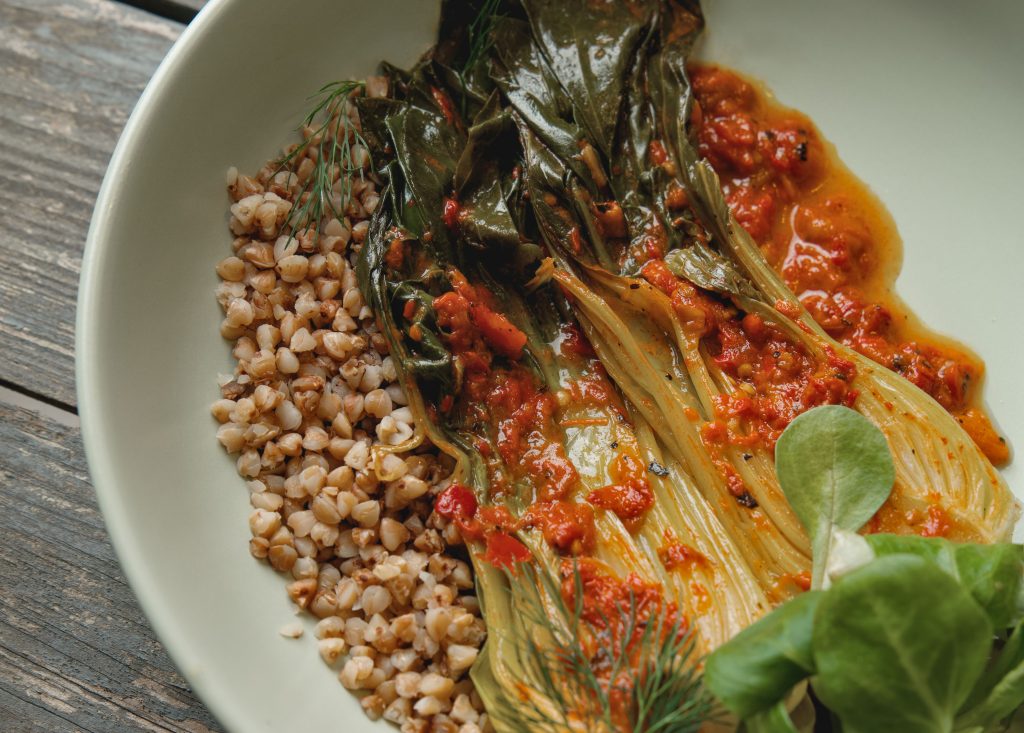
5. Learn to Cook Creative Plant-Based Meals
Transitioning to a vegan diet inspired me to get creative in the kitchen. When you crave a meal you used to eat, you learn how to recreate a vegan version of it.
There are countless incredible vegan cookbooks available. A fantastic starter book our household and we still return to is
I Can Cook Vegan—every recipe we’ve tried has been exceptional and easy to follow along with.
Going vegan actually expanded my diet. I eat a far wider variety of foods now than I ever did eating meat. There are thousands of delicious plant ingredients out there once you start exploring.
6. Get Strong and Build Muscle
The most influential fitness creators in the vegan community lead by example—showing how to build muscle, increase strength, and optimize overall health on a plant-based diet.
Fear of losing muscle or athletic strength holds many people back from going vegan. Showing what is possible refutes that myth directly. Regardless of your current dietary preferences, lifting weights and eating more plants will improve your health.
7. Keep Learning and Stay Inspired
Read books by vegan authors, watch documentaries, follow inspiring creators, or start sharing your own journey. Continuous learning keeps your motivation fresh and helps you refine your approach over time.
Save the Planet, Save Animals, Save Yourself
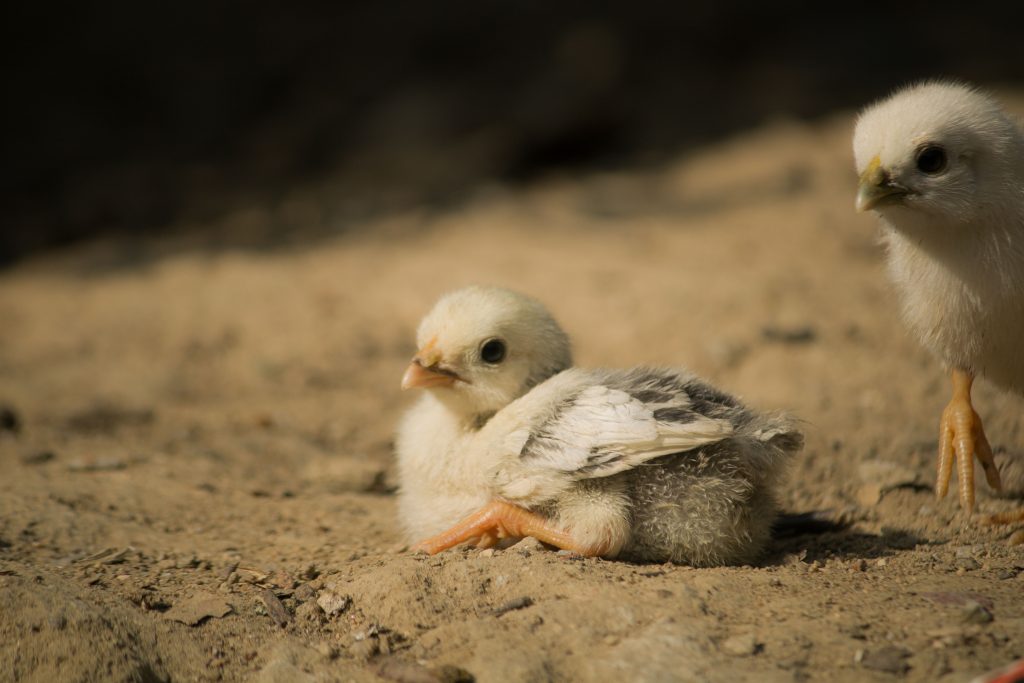
You don’t have to pick just one reason. Adopting a vegan lifestyle benefits your personal health, animal welfare, and the planet simultaneously.
If you are looking to transition to a plant-based lifestyle, build strength, or optimize your fitness with guidance from a trainer who has been on a vegan diet for 10 years, I am here to help.