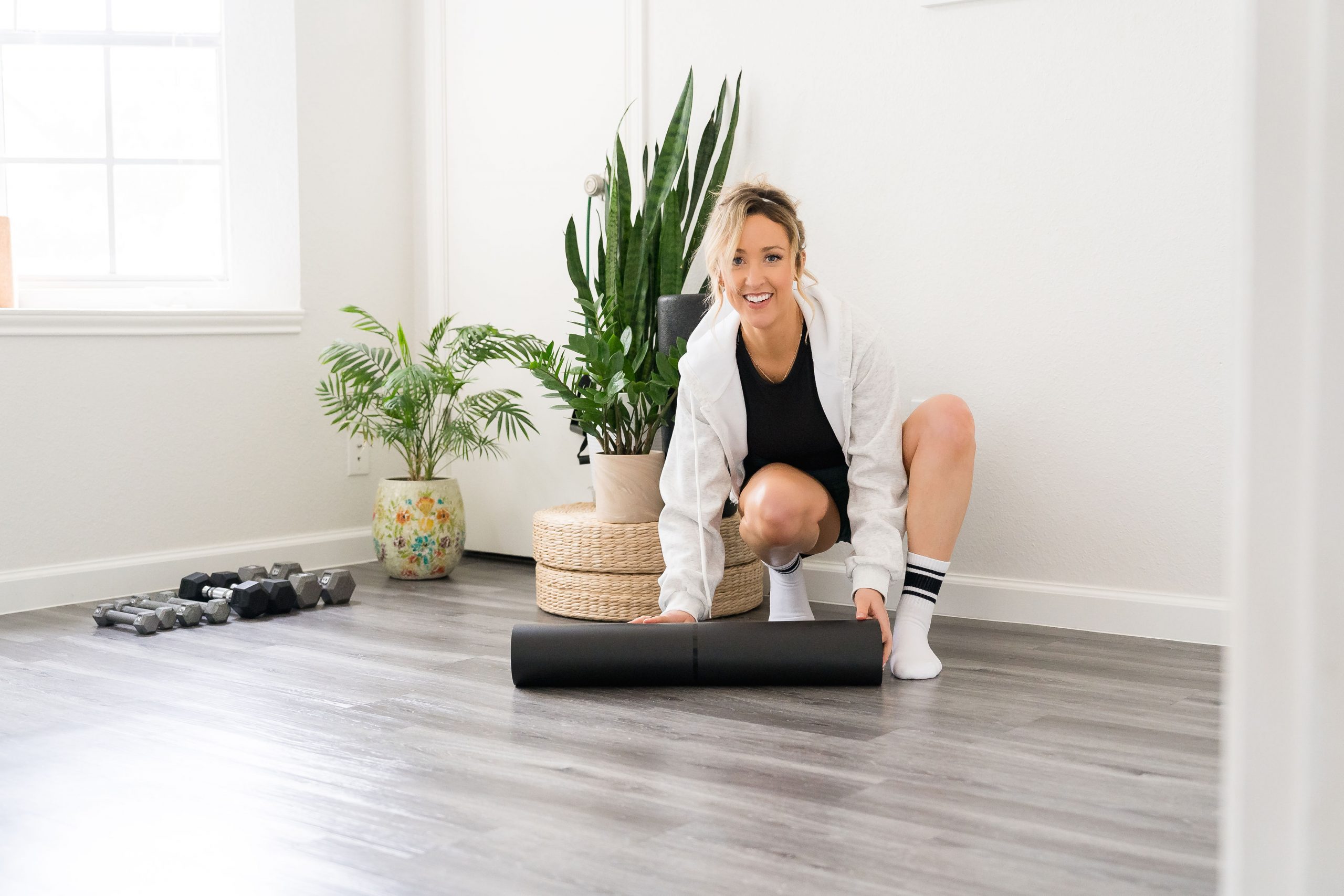
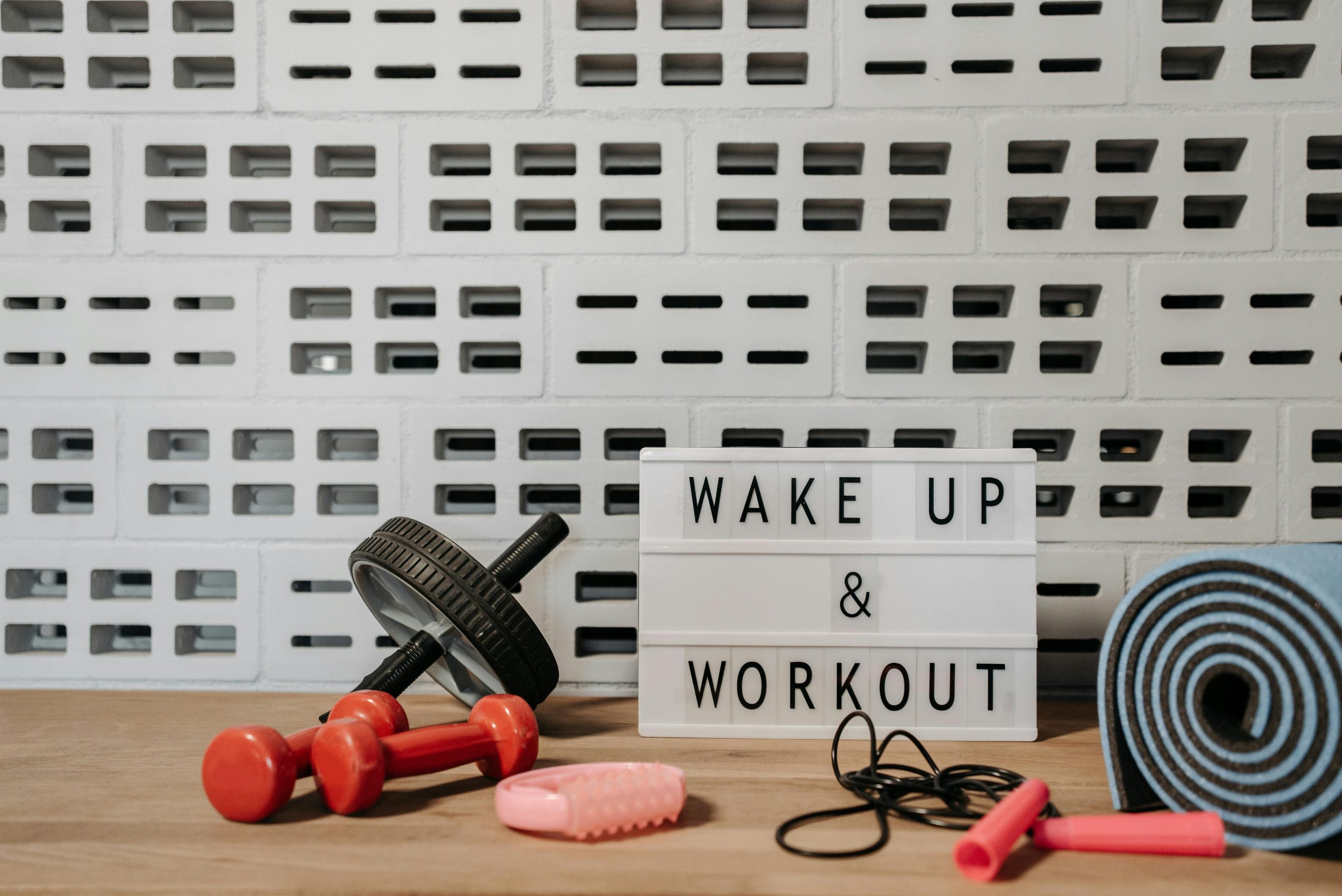
Whether it’s a dedicated garage setup, a basement sanctuary, or just a small corner of your living room, having a home gym is a game-changer for consistency. If you aren’t sure where to begin, use this framework to build a space that actually works for you.
1. Define Your Goals
Choose equipment that aligns with your specific objectives. For functional health and strength building, free weights, resistance bands, and medicine balls are highly effective and far more affordable than heavy machinery.
When it comes to cardio, one piece of equipment is usually plenty. If you are undecided, a treadmill offers the most versatility for walking, jogging, or sprinting. While it depends on the individual, items like stationary bikes and ellipticals often end up collecting dust—so choose something you know you’ll actually use.
If your space is too small for cardio equipment, grab a jump rope to be able to stow away between uses!
2. Assess Your Budget
You don’t need to break the bank to get healthy. While some equipment is expensive, much of it is optional. Bodyweight exercises and light resistance training can be incredibly effective when following a well-designed program. Start small and invest in quality over quantity.
3. Design your Environment
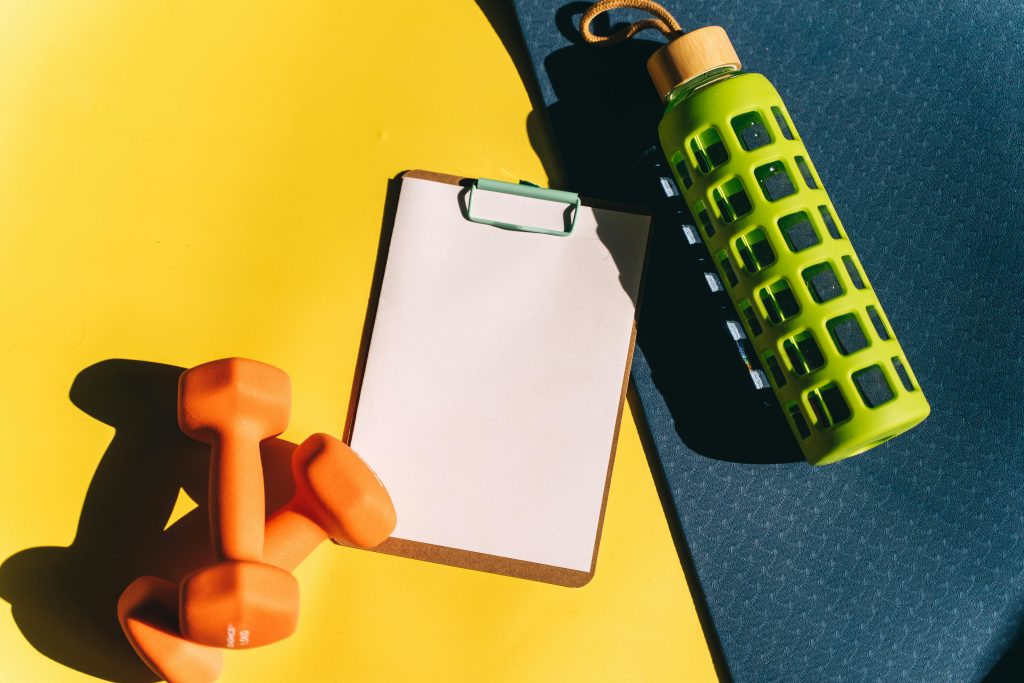
Your gym should be a place where you actually enjoy spending time. Treat the lighting, color scheme, and layout with the same care as the rest of your home. To make your hour-long workouts more engaging, consider adding a sound system for music or a TV for entertainment.
4. Invest in Expertise
Setting up the gym is only half the battle; knowing how to use it is where the results happen. If you feel lost, consider hiring a certified personal trainer. Even as a short-term investment, learning the basics of form and programming ensures your home gym pays off in the long run.
The Beginner’s Starter Kit
If you’re looking for the perfect foundation, start with these versatile items:
- Dumbbells: 5–15 lbs
- Kettlebells: 10–20 lbs
- Medicine Balls: 5–15 lbs
- Resistance Bands: Both “infinity” loops and bands with handles. These are inexpensive and perfect for assisting with push-ups, dips, and pull-ups.
- Weight Bench: Great for seated and lying down upper body exercises, as well as various core and leg movements.
- Jump rope and/or foldable treadmill (for limited space)
Recommendation: If you goal is to build significant muscle mass, you can eventually scale up to getting a squat rack, barbells, plates, and other heavy-duty equipment.
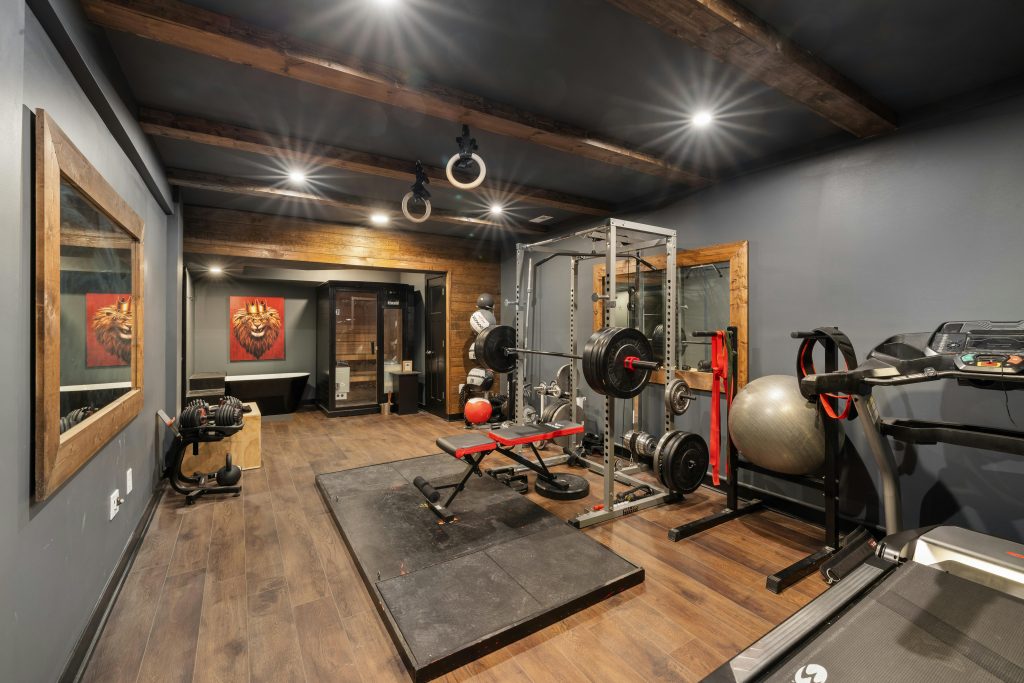
These are not requirements to start your fitness journey though. Start small and build up both with your gym and your body:)
Still not sure where to begin? I am a personal trainer and fitness consultant. Some clients ask for help with workouts. Some clients want help with diet. BUT you can also hire me to help you put together your gym based on your goals and budget. If you’re in the Austin area I can meet you in person or we can work together online.
Go ahead and schedule a chat with me and let’s get your fitness journey going!