I want to cover everything you need to know about plant-based protein. Protein is everywhere right now. Even coffee shops are promoting their caffeine infused protein boosted beverages. A favorite smoothie shop of mine that already had protein options just launched an entirely new protein line. As if a little protein powder wasn’t enough, NO we’re adding a big ole glop of yogurt to your smoothie in addition to the big ole scoop of protein! As a vegan in a meat-eating world protein has never been at the bottom of any nutrition conversation… with anyone so I figured I’d make a very thorough guide to protein.
So this is a guide to hopefully answer everyone’s questions about plant protein! To begin the age old question every plant-based eater faces with every non vegans.
Where do Vegans Get Their Protein?
I’m not at all surprised by this question anymore. Because of diet marketing from the meat, egg, and dairy industries, we have a false knowledge of where protein comes from. We have the impression that protein only comes from animal products like meat, eggs, and dairy. And we seem to think we will shrivel up into nothingness if we choose to eat plants instead of meat. On top of that, the world of health, fitness, and nutrition seems to think it is the end all cure of all secrets to being a super human! Well, if you go past the protein marketing and you read the many studies done on protein you will see that you can get all the protein you need from plants! And maybe just maybe you don’t need to stress so much about it. Don’t shoot me down for that one but there is so much proof out there that you can be healthy, strong, fit, and thrive on moderate protein and all of it coming from plants! OH my!
Let’s dive in!
What exactly is protein?
Protein is a complex molecule made of long chains of amino acids that are essential for the structure, function, and regulation of the body’s tissues and organs. Proteins are built from smaller units called amino acids, linked together like beads on a string. Our body pools the amino acids we eat throughout the day creating the protein that is pulled when needed for various repairs, rebuilding, and/or maintenance. Specific amino acids are very important for specific tasks so getting a wide variety of amino acids is the key!
Why is Protein so important?
- Proteins are the basis for many body structures, including muscles, connective tissue, skin, hair, and nails.
- Proteins also function as enzymes to speed up chemical reactions and as hormones to send signals throughout the body.
- They have other important functions like aiding in the immune response, moving substances in and out of cells, and carrying oxygen in the blood.

Can you get enough protein from a plant-based diet?
By eating a wide range of plants you can get all of the amino acids your body requires. There are 9 essential amino acids that we need to consume daily to support our bodily functions. Although some plants only contain some of the amino acids, as long as you are balancing them with a wide variety and also including some full complete proteins you will have no problem.
Is Plant protein better than animal protein?
Animal products are often high in saturated fats and lack fiber, whereas plant proteins come packaged with fiber and phytonutrients that support heart health, digestion and more.
Plant protein has also been known to be a healthier option for protein as it doesn’t contain the hormones and cholesterol found in animal proteins. In addition to that, protein is not the end-all-be-all. There are two other important macronutrients. Those macronutrients are carbohydrates and fat (the healthy kind). The cool thing about plant foods is you can get all three macronutrients from almost all of them as well as many of your micronutrients.
How much protein do I actually need on a plant-based diet?
While the baseline RDA is 0.8 grams per kg, I recommend active individuals or those over 50 aim for 1.2 to 1.6 grams per kg to support muscle retention and recovery.
Do you need protein supplements to reach your goals?
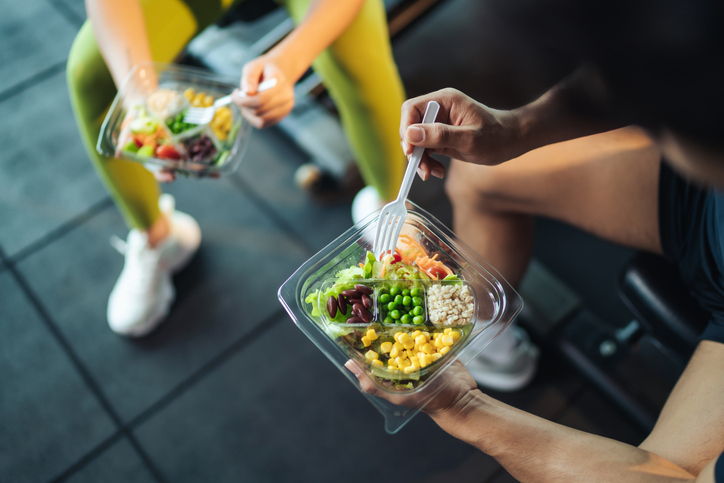
Supplements are not needed to reach your goals. They simply make it easier for you to do so if you are busy. It’s also helpful for those with more intense exercise regimens to reach their higher protein requirements. Here are two of my favorite supplements to support my post workout recovery and protein bars to keep in my travel snack bag.
Is plant-based protein a ‘complete’ protein?
While some plants are “incomplete” (missing one of the 9 essential amino acids), the body creates a pool of amino acids. As long as you eat a variety of foods throughout the day, your body “completes” the protein for you. There are foods like quinoa, soy, and buckwheat that are complete on their own!
Does plant protein cause bloating?
High fiber content in beans and lentils can cause temporary bloating if the body isn’t used to it. I recommend rinsing canned beans or “soaking” dry beans to make them more digestible. You can also mix match proteins and moderate your fiber intake until your body adjusts.
What plant foods have high protein and include all amino acids?
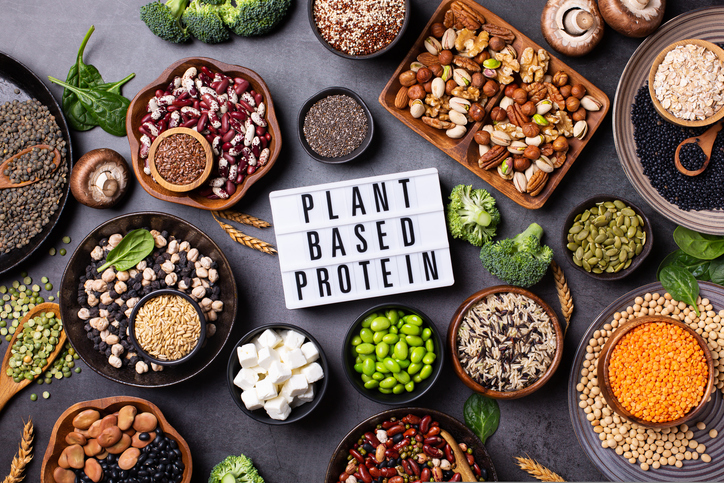
My favorites are quinoa, tofu, edamame, buckwheat, but see the section below for a wide range of high protein plant based foods- in addition to other plants that contribute to your daily protein amount. I’ve listed my favorite protein sources into two groups below: high protein and low to moderate protein. It’s helpful if you use both sections and eat a wide variety of sources to help you reach your protein goal and hit your other macros and micros as well. Go big and try them all! Maybe pick 2 or three from each section each week and try them in your recipes. I’ll also share a couple of snack and meal recipes below that I make every week using some elements from each.
Just a few more questions to answer and then we’ll get to the fun stuff!!
Can you build muscle on plant protein vs. whey?
Absolutely. For a long time, whey was considered the “gold standard” because of its high leucine content (an amino acid that triggers muscle growth). However, recent studies have shown that as long as you are hitting your total daily protein goals and consuming a variety of sources, there is no difference in muscle hypertrophy between plant and animal protein. Athletes like Patrik Baboumian (one of the world’s strongest men), countless ultra-marathoners, and even ‘the goat’ tennis pro Novak Djokovic proves that plants provide all the fuel needed for elite performance and strength.
Can you get too much protein?
While protein is essential, more isn’t always better. The body can only process about 25–40 grams of protein per sitting for muscle synthesis; the rest is usually used for energy or excreted. For most people, the risk isn’t “protein toxicity,” but rather what comes with the protein. If you get your protein from animal sources, “too much” often means too much saturated fat and cholesterol. With plants, “too much” protein usually means a lot of extra fiber—which is generally good, though it might send you to the bathroom more often!

What is the cheapest way to get plant-based protein?
You don’t need expensive meat alternatives or fancy powders to be a high-protein vegan. The most budget-friendly sources are:
- Dried Lentils and Beans: Often less than $2.00 per pound, providing dozens of servings.
- Textured Vegetable Protein (TVP): Usually bought in bulk, it’s a dehydrated shelf-stable powerhouse.
- Rolled Oats and Peanut Butter: Classic, cheap, and effective.
- Tofu: Usually priced around $2–$3 per block, which provides about 35–40g of protein.
Ok here we go to the fun stuff!!!!
What are high plant-based protein sources?
- Dry Soy Chunks: that come in various shapes- these come in various flavors depending on your recipe.
- Tofu: I recommend trying all types of protein. My favorite is Trader Joe’s sprouted protein.
- Gardein beefless crumbles: gardein has a wide variety of options but this is my go-to for various recipes.
- Seitan: made from vital wheat gluten. This is a powerhouse of a plant-based protein and naturally lean making it a great choice as a meat replacement.
- Tempeh: a great option for a meat replacement. You can marinate it and grill it up on the skillet.
- TVP: Textured vegetable protein– this can be made of many different things but look for pea protein, chickpea protein, or soy protein. You can swap out ground meat in a recipe with this! It soaks up moisture and spices easily.
- Pea protein powder: Vedge vanilla protein or Orgain chocolate protein– mix into smoothies or oats!
- No Cow protein bars: an easily transportable supplement to take on the go or complement a on a time crunch.
- Peanut powder Protein- Norcal: who doesn’t love peanut butter and apples especially with half the calories when you use peanut powder.
- Soy milk: soy milk is the holy grail of plant based milks as it has the best nutrient profile.
- Quinoa:who knew these seeds were such a powerhouse- well I did. But now you do too!
- Edamame: the fun little snack you get at the sushi restaurant is actually a serious muscle builder.
What are other additional sources of plant-based protein?
There are many other other great sources to get more protein in your diet. These are foods that contain a greater amount of carbohydrates but just happen to have a decent amount of protein in them that help to contribute to reaching your protein goals. If you include a wide range of them into your diet you’ll make sure you are getting the different amino acids and they are full of micronutrients that make you feel your best.
- Lentils– lentils have so much flavor and protein packed into them and can be versatile in flavor for many recipes.
- RIce– Although not as high in protein as the above list you’ll still get 3-5 grams per serving and that adds up.
- Beans– touted as one of the healthiest foods on the planet and consumed by all of the blue zones in the world -eat your dang beans.
- Rolled oats– a versatile budget friendly whole grain. Make oats, overnight oats, protein bites, waffles, and desserts all from oats. And get a whopping 5-7 grams per ½ cup!
- Mushrooms– I know this one is a surprise but it’s true mushrooms are rich in protein and amino acids. In fact they are a complete protein containing all 9 essential amino acids!
- Whole grain bread– the sprouted organic whole grain bread I get from whole foods has 6 grams per slice and at only 90 calories.
- Nuts and seeds Although heavier in fat – these little guys have protein as well and if you have trouble staying full during the day a ¼ cup can tide you over for a while and contribute to protein goals.
Honorable mentions just to show how cool plant foods are. Although not technically high in protein, these foods can add to your daily protein requirements.
Fruit– yes even fruit has some protein – although the protein content itself might seem like 0 – fruit contains amino acids and what are the building blocks of protein? Amino acids! Even the fruit you eat goes to that pool of amino acids we talked about and can be utilized in the body.
Leafy greens and other vegetables– On the higher end of protein for vegetables choose spinach and artichokes. Other greens and vegetables have protein too. 1-2 grams per hefty serving but again this adds ups throughout the days with all the variety you are eating.
Ok are you getting the point the plants are powerful yet?!
High-Protein Plant-Based Recipes & Meal Ideas
Knowing which foods have protein is half the battle—knowing how to make them taste delicious is where the magic happens and how we can stick to our plant-based routine long term! Here are my personal favorite ways to turn these ingredients into high-performance, satiating meals.
1. Quick High-Protein Vegan Snacks
When you’re on the go, these quick combinations provide a balanced hit of protein and complex carbs to keep your energy stable.
- The Power Pair: One No Cow protein bar served with a medium apple.
- Protein PB & Apple: Mix 2 tbsp of PB powder (like Norcal) with a splash of soy milk or water to create a dip for sliced fruit.
2. Chocolate Coffee Protein Smoothie (Post-Workout)
- Prep time: 5 mins | Protein Source: Pea protein & Soy milk
- Ingredients:
- 1/2 cup chilled coffee
- 1 cup unsweetened soy milk
- 1 frozen banana
- 1 handful fresh spinach
- 1 scoop vegan protein powder (Vanilla or Chocolate)
- Instructions: Add all ingredients to a high-speed blender. Blend until creamy. The soy milk and protein powder provide a “complete” amino acid profile perfect for muscle recovery.
3. High-Protein Overnight Oats (Meal Prep Friendly)
- Prep time: 5 mins | Set time: 4+ hours
- Ingredients:
- 1/2 cup rolled oats
- 1 scoop plant-based protein powder
- 1 tbsp ground flaxseed (or chia seeds)
- 1/2 cup soy milk
- Instructions: Stir ingredients in a mason jar. Seal and refrigerate overnight. Top with fresh berries and a drizzle of maple syrup in the morning.
4. Savory Tofu Scramble (The Ultimate Egg Substitute)
- Yields: 2 servings | Key Protein: Tofu & Nutritional Yeast
- Ingredients: 1 block firm tofu (pressed), 1/2 red bell pepper, 1/2 red onion, 2 cloves garlic, 7 mushrooms, 1 tsp turmeric (for color), and nutritional yeast.
- Instructions: 1. Sauté garlic, onion, and mushrooms in a splash of vegetable broth. 2. Crumble the tofu into the pan using a potato masher. 3. Season with cumin, paprika, turmeric, salt, and pepper. 4. Cook for 5 minutes. Serve in corn tortillas with avocado for a high-protein breakfast tacos.
5. “No Meat” and Potatoes Power Dinner
- Prep time: 10 mins | Cook time: 15-20 mins | Key Protein: Tempeh
- Ingredients:
- 1 package Tempeh
- 2 cups small gold potatoes (halved or quartered)
- 2 cups fresh leafy greens (Spinach or Kale)
- 2-3 tbsp Hummus
- Marinade: 2 tbsp coconut aminos, 1/4 cup vegetable broth, and your favorite herbs (garlic powder, smoked paprika, and thyme work great).
- Instructions:
- Marinate: Slice the tempeh into thin strips or triangles. Let them soak in the coconut aminos and broth mixture for at least 10 minutes.
- Bake: Place the gold potatoes in the air fryer at 400°F (200°C) for 15–20 minutes until crispy. In the last 10 minutes, add the marinated tempeh strips to the air fryer basket.
- Assemble: Lay down a generous bed of fresh greens. Top with the crispy potatoes and protein-packed tempeh.
- Finish: Add a large dollop of hummus on the side to serve as a creamy “gravy” for the potatoes and tempeh.
- Pro Tip: Tempeh is a fermented soy product, meaning it’s not only high in protein but also great for your gut health (probiotics!). If you find tempeh too bitter, steam it for 5 minutes before marinating to mellow out the flavor.
6. TVP or Soy Chorizo Tacos
- Featured Protein: TVP (Textured Vegetable Protein)
- Ingredients:
- 1/2 cup TVP (rehydrated in broth)
- 1/2 cup refried beans
- 1/4 cup brown rice
- Taco seasoning, peppers, and onions.
- Instructions: Sauté the rehydrated TVP with peppers and onions until the edges are slightly crisp. Layer onto a whole-grain tortilla with beans and rice. TVP is a “secret weapon” for vegans because it is nearly pure protein and very budget-friendly.
*See more of my tips for plant-based protein and reaching fat loss goals!
7. High-Protein Mediterranean Quinoa Bowl
- Prep time: 10 mins | Key Protein: Quinoa, Edamame, & Hummus
- Ingredients:
- 1/2 cup quinoa (dry)
- 1/2 cup edamame (shelled)
- 1 medium red potato (pre-cooked/boiled)
- Veggies: 5-6 crimini mushrooms, 1 chopped carrot, 1/2 red onion, 1 cup broccoli, 1 cup purple cabbage.
- Greens: 1 handful arugula, 1 handful microgreens.
- Dressing: 2-3 tbsp hummus, fresh lemon juice, salt, and pepper.
- Instructions: 1. Instant Pot Method: Add quinoa, mushrooms, carrots, and half of the onions to the Instant Pot with 3/4 cup water or broth. Cook on High Pressure for 1 minute, then let the pressure release naturally. 2. Steam: Lightly steam the broccoli and edamame until bright green. 3. Assemble: Toss the arugula and cabbage into a large bowl. Top with the warm quinoa mix, steamed veggies, and sliced red potato. 4. Finish: Add a large dollop of hummus and a squeeze of lemon.
- Pro Tip: For even more protein, top with Gardein Chick’n strips or grilled tempeh.
Why these recipes work for your goals:
By combining legumes (beans/TVP) with grains (rice/oats), and/or reaching for the already high protein options you are ensuring a full spectrum of amino acids. By mixing them with the lower protein foods like fruits, vegetables, nuts and seeds you are increasing the amino acid content and adding so many micronutrients for a healthier you!
The High-Protein Plant-Based Grocery List
This list covers all the essentials needed for the recipes above. You can screenshot this or print it out for your next shopping trip!
| Category | Item | Recipe Use |
| Pantry Staples | Quinoa, Brown Rice, Rolled Oats | Bowls, Tacos, Overnight Oats |
| TVP (Textured Veggie Protein) | High-Protein Tacos | |
| Nutritional Yeast | Tofu Scramble (Cheesy flavor) | |
| Peanut Powder & Flaxseeds | Smoothies & Oats | |
| Lentils & Canned Beans | Tacos & Side Dishes | |
| Protein Aisle | Firm Tofu & Tempeh | Scrambles & Main Dishes |
| Vegan Protein Powder | Smoothies & Breakfast | |
| No Cow Protein Bars | Quick Snacks | |
| Soy Milk (Unsweetened) | Smoothies & Oats | |
| Produce | Spinach, Arugula, Microgreens | Smoothies & Bowls |
| Broccoli, Cabbage, Carrots | Mediterranean Bowl | |
| Onions, Garlic, Bell Peppers | Tofu Scramble & Tacos | |
| Bananas, Apples, Berries | Smoothies & Snacks | |
| Fridge/Frozen | Frozen Edamame | Mediterranean Bowl |
| Hummus | Bowls & Healthy Dips | |
| Gardein Meatless Crumbles | Quick Taco Night |
Aside from protein, what else should I prioritize as a vegan or someone who eats plant-based?
- Prioritize not only protein but all of your macronutrients and micronutrients. I know I said it approximately 10 times in this article but getting a wide variety of foods is so important. Also, thinking of getting all of the colors of plant foods in your diet is so good for you. One recommendation, from Rip Essylstein is to aim for 30 different plant foods per week. Or from the famous nutritarian doctor Joel Furhman, who recommends aiming for GBOMBS everyday. Greens, Beans, Onions, Mushrooms, Berries, and Seeds. Both are fun and motivating ways to get healthy food both daily and weekly.
- Next, consider supplementing B12, d3, k2, iodine, and omega 3’s. I use Complement’s multi-vitamin which is perfect for plant-based dieters, where these ingredients are a little harder to get and will simply cover your bases. Use code JUSTFITVEGAN for a discount at check out.
I hope you are feeling confident and excited now about going full stream ahead with your plant-based diet. It’s powerful knowing and now committing to a diet that saves lives and can also help you thrive. Plants are so powerful and now that you have so many tools to help – you are going to feel great! Reach out for further questions or if you’d like to see more thorough posts like this in other areas of nutrition or fitness. Thank you for reading!
Learn more about JustFit and other programs we offer! Check it out now!